When Is It Time to Replace Your Toothbrush?
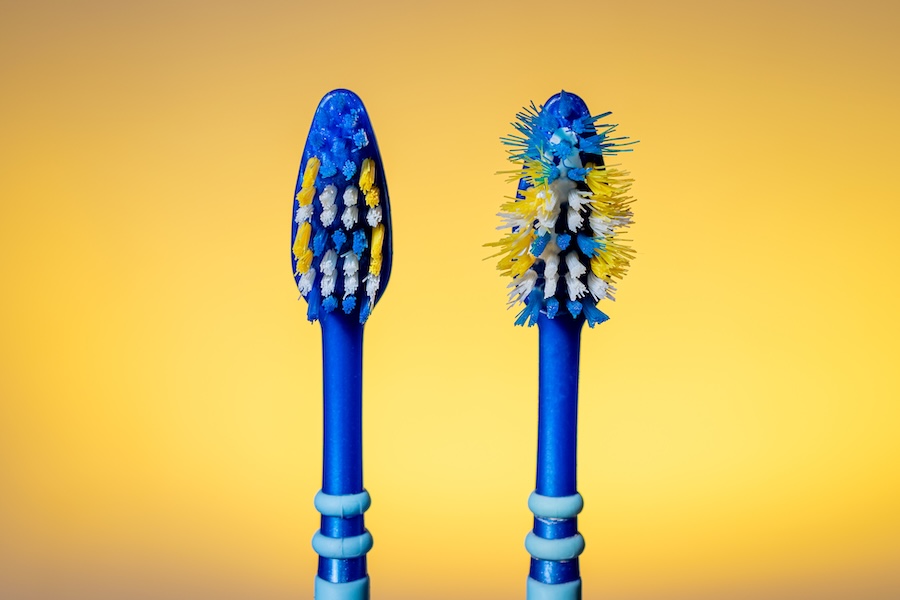
November 19, 2026 9:00 amLook at your toothbrush from the side, where it’s easier to see whether the bristles still stand upright. If they’ve fanned out or folded over, it’s time for a replacement. Once the tips bend away from your teeth, they have a harder time reaching the gumline and the backs of your molars.
At Caring Smiles Dental in Hoffman Estates, IL, Dr. Ankur Patel and our team can show you where your brush tends to miss. Sometimes fresh bristles are all you need to reach those spots more easily. But if your new brush wears out just as quickly, easing up on your grip may help keep the bristles from bending.
How Often to Replace Your Toothbrush
Plan to replace your manual toothbrush or electric brush head every three to four months. If the bristles start to spread or clump before then, go ahead and switch sooner. When you open the new brush, write the month on the package or set a reminder on your phone so you don’t have to remember when you started using it.
Check your kids’ brushes between replacements, too, since a child who chews on the bristles can wear out a brush well ahead of schedule. Look down at the brush head to see whether any rows have bent outward. If you can see gaps between rows that used to sit close together, grab a fresh brush the next time you’re at the store.
Replacing Your Toothbrush After a Cold, Flu, or Strep
After a cold or the flu, you can usually keep using your toothbrush as long as the bristles are in good shape. If your brush touched someone else’s while either of you was sick, replace both brushes. If you have a weakened immune system, ask your care team whether they recommend switching sooner.
But if you’ve had strep throat, plan to replace your toothbrush two or three days after you start antibiotics. If you use an electric toothbrush, you also need to replace the head. It helps to have a few extras on hand so you can make the switch when it’s time.
Brushing With a Manual or Electric Toothbrush
If your bristles start splaying after only a few weeks, try holding the brush with your fingertips so it’s easier to ease up along the gums. With a soft-bristled manual brush, angle the bristles toward the gumline and use small, gentle strokes. If you use an electric brush, guide the head slowly from tooth to tooth and let it do the brushing for you.
Tilt the brush upright to reach behind your lower front teeth, where it can be awkward to fit the whole brush head. Then guide it behind the last molar on each side, since it’s easy to stop once you’ve cleaned the chewing surfaces. Aim for two minutes twice a day with fluoride toothpaste so you have time to reach those spots without rushing.
Brushing Pressure and Early Wear
If a new toothbrush is already fanned out after a few weeks, bring it to your next cleaning at Caring Smiles Dental in Hoffman Estates. Let us know how long you’ve used it and whether your previous brushes wore out just as quickly. We’ll show you how much pressure to use and where to angle the brush so you can reach your gumline without bending the bristles!
Categorised in: Oral Hygiene