Dental Implants vs. Bridges: Which Tooth Replacement Is Best?
June 26, 2026 9:00 amA missing tooth can be easy to ignore at first, especially when it is in the back. Then dinner gets caught in the gap again. You find yourself chewing on the other side. Or, if the tooth is visible, you start noticing the space every time you talk or smile.
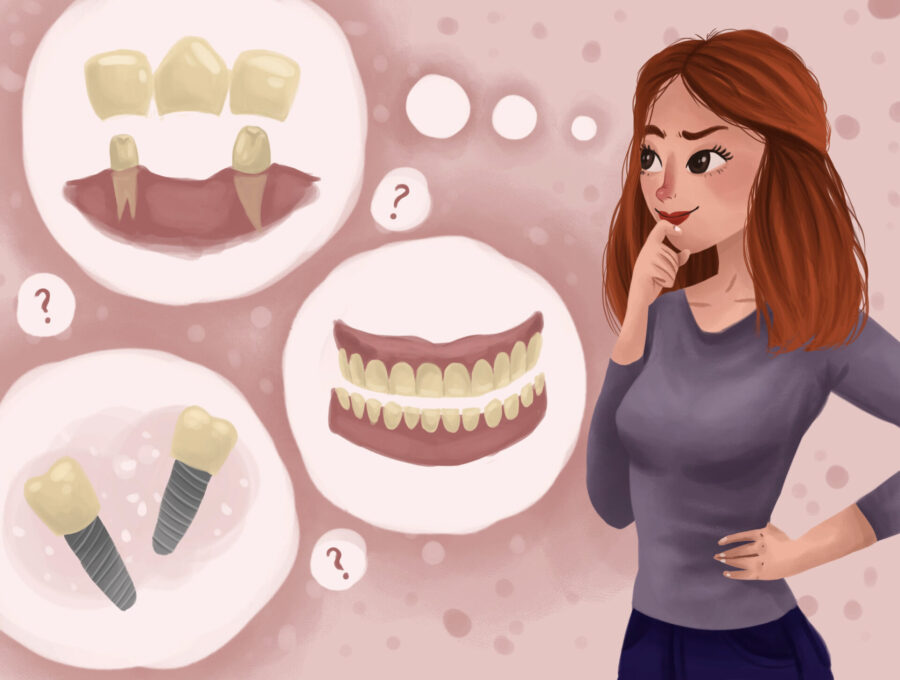
Once you start talking about replacing the tooth, the conversation usually comes down to two options: a dental bridge or a dental implant.
They are not interchangeable versions of the same thing. A bridge uses the teeth on either side of the space to hold a replacement tooth in place. An implant replaces the missing root in the jawbone, then supports a crown above it. That sounds simple enough, but it changes the treatment from the first appointment onward.
With a bridge, the nearby teeth become part of the plan. With an implant, the missing-tooth area needs enough healthy bone and gum support to hold the implant. One option may take a few weeks. The other may take several months. One may fit better when neighboring teeth already need crowns, while the other can be a better way to leave healthy teeth alone.
At Caring Smiles Dental in Hoffman Estates, IL, Dr. Ankur Patel looks at the whole area before suggesting a direction. The open space is part of the picture, but so are the teeth around it, the condition of the gums, your bite, and what you are trying to get back to in daily life.
The Gap is Not the Only Tooth to Consider
People often focus on the tooth that is missing, which makes sense. It is the space you see and feel. However, the teeth beside that space often tell you much more about whether a bridge or implant makes sense.
Imagine a missing tooth between two teeth that are healthy, solid, and have never needed more than small fillings. A bridge would require shaping both of those teeth down for crowns. That can be a hard tradeoff when they are otherwise doing well.
Now picture the same gap, but the teeth on either side already have old crowns, large fillings, cracks, or repeated repairs. In that case, those teeth may need crowns anyway. A bridge can then restore the missing tooth while covering teeth that already need extra support.
That is why people can hear different recommendations for what looks like the same problem. The missing tooth may be in the same spot, but the surrounding teeth may be in completely different condition.
Before making a decision, Dr. Patel can show you the X-rays and walk through what those nearby teeth are carrying. That is often the point where the choice starts feeling less theoretical.
What a Bridge Actually Does
A bridge is a fixed restoration. It does not come out at night, and it is not a removable appliance. If one tooth is missing between two natural teeth, the teeth on either side are prepared for crowns. The final bridge includes those crowns, plus a replacement tooth in the middle. Once it is cemented into place, the three pieces function as one unit.
For many people, the appeal is straightforward. A bridge can restore the gap without implant surgery, and it can often be completed in a shorter amount of time. After the teeth are prepared, the office takes a scan or impression, and you may wear a temporary bridge while the final one is being made.
A bridge can also be a sensible answer when the adjacent teeth are already weak or heavily restored. Instead of treating the missing tooth as a separate issue, the bridge brings the area together into one restoration.
There is a tradeoff, though. The supporting teeth need to stay healthy because they are doing the work of holding the bridge. If one of them develops a problem later, the bridge may be involved in that treatment too.
What an Implant Actually Replaces
A dental implant works more like an individual tooth replacement. The implant post is placed into the jawbone where the natural root used to be. Once the area heals, a custom crown is attached to that post. The final crown is separate from the teeth on either side.
That independence is a large part of the appeal. Healthy neighboring teeth can stay untouched. You are replacing the missing tooth without asking two other teeth to become supports.
However, an implant is not a quick in-and-out fix. The post needs time to heal into the bone before the final crown goes on. Depending on the location of the missing tooth, the condition of the bone, and whether a graft is needed, the process can take several months.
For someone who has already had enough dental work on the teeth beside the gap, that wait may feel worthwhile. For someone who wants the tooth replaced soon, does not want surgery, or has a more limited budget at the moment, a bridge may be easier to move forward with.
The Bone Under the Missing Tooth Can Change the Plan
A bridge sits above the gumline and relies on the neighboring teeth. An implant needs support from the jawbone itself.
After a tooth is removed, the bone in that area can slowly lose volume because it is no longer receiving stimulation from a tooth root. The change is gradual, so most people do not feel it happening. Still, if a tooth has been missing for years, the implant site may not have the same amount of bone it once did.
Sometimes there is enough bone for an implant without additional treatment. In other cases, a bone graft may be recommended first. That adds another step and more healing time, but it may help create a stronger area for the implant.
Gum health needs attention as well. If the gums are inflamed, bleeding, or affected by periodontal disease, that may need to be addressed before implant treatment moves ahead. The same is true for a bridge in a different way: the teeth holding it up need healthy gums around them.
So, while an implant may sound like the more self-contained option, it still depends on what is happening under the gums and inside the bone.
The Timeline Can Change What Feels Realistic
A bridge is often finished sooner. Once the supporting teeth are prepared and scanned, the final restoration can usually be made within a few weeks. A temporary bridge can protect the area while you wait.
Implants require more patience. The post is placed first, then the bone needs time to heal around it before the final crown is added. If bone grafting is involved, the overall process can stretch out even longer.
That can shift the decision when you are trying to plan around work, travel, a visible front-tooth gap, or simply how long you are comfortable using a temporary tooth. A person missing a front tooth may not want to spend months relying on a temporary option. Someone with a back tooth missing may be more comfortable waiting, especially if the neighboring teeth are healthy and they want to avoid placing crowns on them.
There is not always a perfect timeline. Instead, it becomes a question of what feels more workable: a faster restoration that involves adjacent teeth, or a longer process that leaves those teeth alone.
Cost Usually Looks Different at the Start
A bridge often costs less at the beginning than an implant. It usually requires fewer appointments and does not involve surgical placement.
An implant can include imaging, the implant post, surgery, a custom crown, and sometimes bone grafting. That adds up, particularly when more than one stage is needed.
However, a bridge is connected across several teeth. If one of the supporting teeth gets decay under the crown, fractures, or needs a root canal later, the bridge may need to be removed or remade as part of that treatment. So the price you see at the beginning is not the only part of the decision.
An implant crown is separate from neighboring teeth. It can still need repair, replacement, or gum care over time, but a problem with the tooth next door does not automatically bring the implant into it.
For some patients, the bridge is the right answer because it fits the current budget and the nearby teeth already need crowns. For others, the implant feels like a better use of money because it leaves healthy teeth as they are. It depends on the treatment in front of you, not just the first number on the estimate.
Cleaning Is Different, Not Harder
A bridge needs a different cleaning habit than an implant.
With an implant crown, you brush and floss around it in much the same way you would a natural tooth. You still need to keep the gumline clean, but the routine tends to feel familiar.
With a bridge, the replacement tooth is connected to the crowns beside it. Because of that, floss cannot pass straight down through the middle like it can between two natural teeth. You may use a floss threader, super floss, an interdental brush, or a water flosser to clean underneath the replacement tooth.
Cleaning under a bridge becomes part of the daily routine. Those tools help clear food and plaque from under the replacement tooth and around the crowns that support it. Leaving that buildup there can irritate the gums or lead to decay around the crown edges over time.
How They Tend to Feel Once Treatment Is Done
A well-made bridge and a well-made implant can both restore the missing space and help you eat more comfortably.
An implant often feels more like one separate tooth because it is anchored in the jawbone and stands apart from the teeth around it. Some patients prefer being able to floss around it in the same general way they clean the rest of their teeth.
A bridge can also feel secure and natural once it is fitted well. It stays in place, restores the gap, and can blend in with your bite and smile.
The practical difference is usually not about whether one can look good. Both can. It is more about how the tooth is held in place, whether the nearby teeth need crowns, and what kind of maintenance makes sense for your routine.
A front tooth may bring more concerns about appearance and speaking. A back tooth may be more about chewing and keeping the bite balanced. Those details can move the conversation in different directions.
Questions Worth Bringing Into the Appointment
It helps to think about what is bothering you most about the missing tooth.
Chewing on that side may have become frustrating. The gap may be visible enough that you are tired of noticing it when you smile. Surgery may be the part of implant treatment you are least comfortable with. Or, the teeth next to the space may be healthy, and you do not want them shaped down unless there is a good reason.
Dr. Patel can review the X-rays, check the condition of the gums and bone, and explain what each option would involve in your case. That includes the number of visits, whether a temporary tooth is needed, how long healing may take, how to clean the area afterward, and what the treatment costs may look like.
The decision tends to come into focus once those pieces are on the table. You are not choosing between two abstract dental terms. You are choosing how to replace one specific tooth in one specific area of your mouth.
Dental Implants vs. Bridges in Hoffman Estates, IL
A bridge may be a practical choice when the teeth beside the gap already need crowns or when you want the space restored sooner. An implant may be a better option when those neighboring teeth are healthy and you would rather replace the missing tooth without involving them.
At Caring Smiles Dental in Hoffman Estates, IL, Dr. Ankur Patel can evaluate the area, explain what each option would look like for you, and help you decide whether a bridge or implant fits your teeth, timing, and budget. Call to schedule a consultation and discuss your tooth-replacement options.
Image from Authority Dental under CC 2.0
Categorised in: Dental Bridges, Dental Implants