TMJ FAQs: What’s Behind Jaw Pain and What Actually Helps
March 26, 2026 9:00 amJaw discomfort has a way of creeping into everyday life. It might start as a little tightness when you wake up, a clicking sound when you chew, or a headache that seems to sit right around your temples. At first, it’s easy to brush it off. Then it shows up more often, and you start paying attention.
Questions about TMJ and teeth grinding come up often during visits at Caring Smiles Dental in Hoffman Estates, IL, especially when patients aren’t sure what’s causing the discomfort or whether it’s something that needs treatment.
TMJ FAQs: What Is TMJ and Why Does It Hurt?
TMJ stands for the temporomandibular joint, which connects your jaw to your skull. It’s one of the most active joints in your body—you use it when you talk, chew, yawn, and even when you swallow.
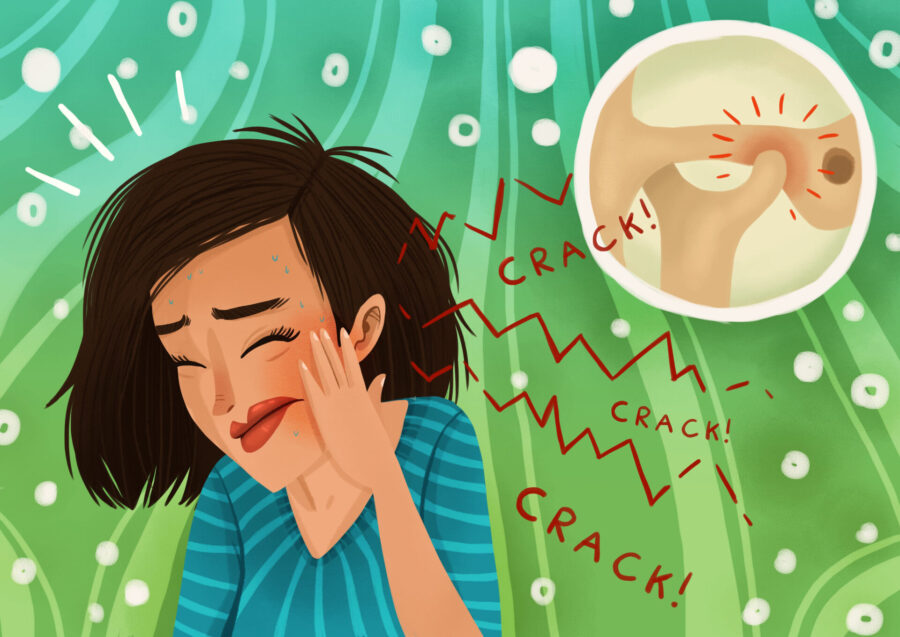
When this joint or the surrounding muscles become irritated, overworked, or misaligned, it can lead to discomfort that doesn’t always stay in one place. Some patients feel it directly in the jaw, while others notice it more as facial tension, ear discomfort, or recurring headaches.
Because the joint is used so frequently, even small issues can become noticeable over time. That’s why TMJ symptoms often feel like they come on gradually rather than all at once.
What Are Common TMJ Symptoms?
TMJ symptoms don’t always look the same from person to person, which can make them a little harder to recognize at first. Some are easy to connect to the jaw, while others seem unrelated.
Common symptoms include:
- Jaw pain or soreness, especially in the morning
- Clicking, popping, or shifting when opening and closing your mouth
- Headaches, often near the temples or sides of the head
- Earaches or a feeling of pressure without an ear infection
- Limited range of motion when opening your mouth
- A bite that suddenly feels slightly different
It’s also common for these symptoms to come and go. That pattern can make it tempting to ignore them, even though they’re often tied to an underlying habit like grinding.
How Is Teeth Grinding Connected to TMJ?
Teeth grinding, or bruxism, is one of the most common reasons patients develop TMJ discomfort. It usually happens during sleep, which is why many people aren’t aware it’s happening.
When you grind your teeth, you’re putting repeated pressure on both your teeth and your jaw joint. Over time, that strain can lead to muscle fatigue, inflammation, and changes in how your bite feels.
You may not notice the grinding itself, but you might notice the effects:
- Waking up with jaw tightness or soreness
- Frequent headaches
- Increased tooth sensitivity
- Teeth that appear worn or flattened over time
In more advanced cases, grinding can lead to chipped or cracked teeth, which adds another layer to the problem.
What Causes TMJ Issues or Bruxism?
There isn’t always a single cause behind TMJ discomfort or teeth grinding. In many cases, it’s a combination of factors that build over time.
Stress and tension are some of the most common contributors, especially when it comes to nighttime grinding. Bite alignment can also play a role, particularly if certain teeth are taking on more pressure than others.
Lifestyle habits—like frequent caffeine use, alcohol, or smoking—can make grinding more likely or more intense. Sleep patterns and certain medical conditions can also contribute.
Because there are multiple possible causes, treatment usually focuses on managing the effects while identifying what may be contributing in your specific case.
Do I Need Treatment for TMJ?
Not every case of TMJ discomfort requires extensive treatment, but recurring symptoms are worth evaluating. What starts as occasional tightness or mild soreness can become more persistent if the underlying cause isn’t addressed.
Early treatment is often more straightforward. It can help reduce strain on the joint, prevent further wear on the teeth, and make symptoms easier to manage before they become more disruptive.
The goal isn’t to over-treat—it’s to keep things from progressing to the point where they’re harder to resolve.
How Do Custom Nightguards Help?
Custom nightguards are one of the most common ways to manage TMJ symptoms related to grinding.
They’re worn while you sleep and create a protective barrier between your upper and lower teeth. This helps reduce the pressure from grinding and gives the jaw muscles a chance to relax overnight.
At Caring Smiles Dental, nightguards are custom-made to fit your teeth precisely. A custom fit allows the guard to stay in place comfortably and provide consistent protection.
Patients who use nightguards often notice:
- Less jaw soreness in the morning
- Fewer tension headaches
- Reduced wear on their teeth over time
It’s a simple solution, but it can make a meaningful difference when grinding is part of the issue.
How Long Does a Nightguard Last?
Custom nightguards are made from durable materials, but their lifespan depends on how much pressure they absorb over time.
Most last between one and five years. Patients who grind heavily may go through them more quickly, while others can use the same one for several years without issue.
Regular checkups help ensure the nightguard is still fitting properly and hasn’t worn down in a way that reduces its effectiveness.
Can TMJ Symptoms Go Away on Their Own?
Mild symptoms can sometimes ease on their own, especially if they’re tied to temporary stress or changes in routine. However, if grinding or bite-related issues are ongoing, the symptoms often return.
That’s why recurring discomfort is worth addressing. Even if it’s manageable now, identifying the cause early can help prevent more noticeable issues later on.
TMJ FAQs in Hoffman Estates, IL at Caring Smiles Dental
At Caring Smiles Dental in Hoffman Estates, IL, Dr. Ankur Patel works with patients to understand what’s contributing to their TMJ symptoms and how to manage them in a way that fits their daily routine.
If you’ve been noticing jaw discomfort, headaches, or signs of grinding, it’s worth having it evaluated. Call the office or schedule an appointment to get a clearer understanding of what’s going on and what options may help you feel more comfortable moving forward.
Image from Authority Dental under CC 2.0
Categorised in: Bruxism, Custom Nightguards